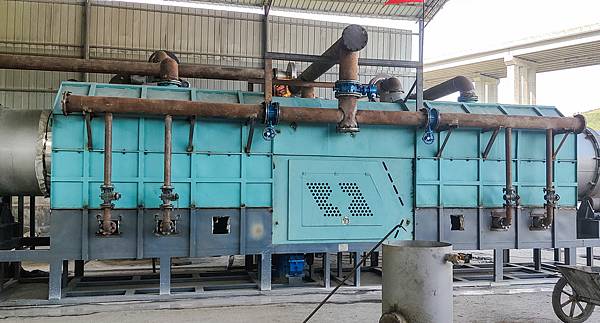
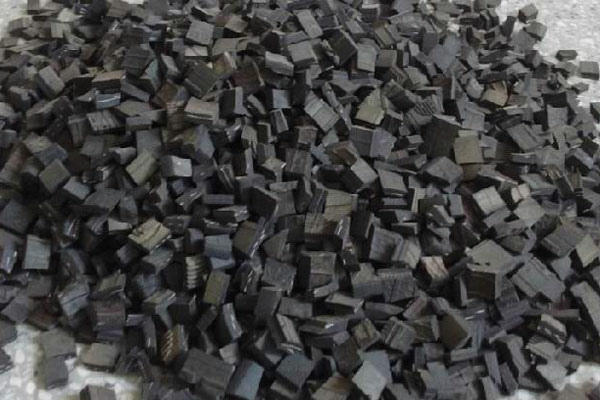
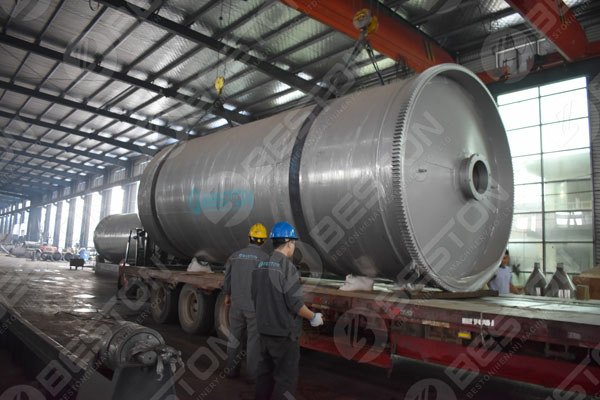
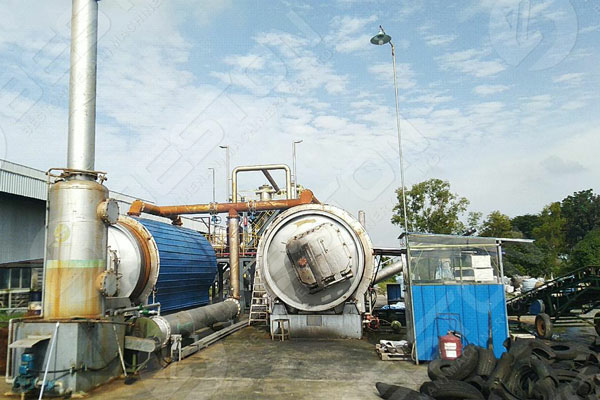
Pyrolysis technology stands at the forefront of sustainable energy solutions, offering a promising avenue for converting biomass into valuable products. Biomass pyrolysis machine is a pivotal component in this process, but the efficacy of pyrolysis hinges greatly upon the type of biomass utilized. Understanding the suitability of different biomass feedstocks is paramount for optimizing pyrolysis operations and maximizing output efficiency.
Wood Biomass
Wood biomass, renowned for its widespread availability and high energy content, represents a prime candidate for biomass pyrolysis machine. Various wood types, including hardwoods and softwoods, possess distinct properties influencing their suitability for pyrolysis. Hardwoods such as oak and maple typically exhibit denser structures and higher lignin content, rendering them ideal for pyrolysis due to enhanced thermal stability. Conversely, softwoods like pine and spruce contain higher cellulose and hemicellulose levels, contributing to faster pyrolysis rates but potentially yielding lower-quality biochar.
Agricultural Residues
Agricultural residues encompass a diverse array of byproducts generated from farming activities, ranging from crop residues to animal manure. Crop residues like corn stover, rice husks, and wheat straw are abundant sources of biomass amenable to pyrolysis. However, variations in composition and moisture content necessitate tailored pyrolysis conditions to optimize product yield and quality. Furthermore, animal manure, rich in organic matter and nitrogen, presents unique challenges and opportunities in pyrolysis due to its heterogeneous nature.